




What is a Microgrid Energy System and How Do they Work?
 Last updated: Jul 21, 2026
 11 min read


Published: July 17, 2026
Quick answer: A microgrid energy system is a localized, self-contained power network that generates, stores, and distributes electricity independently—or in tandem with the main utility grid. Microgrids use distributed energy resources like solar panels and home storage batteries to deliver reliable, clean power even during outages.
Power outages are becoming more frequent across the U.S., and the aging national grid is struggling to keep pace with growing energy demand. For Arizona homeowners, that means rising electricity bills, vulnerability to disruptions, and a growing dependence on an infrastructure that was never designed for today’s energy needs.
Microgrids offer a smarter alternative. By generating and storing power locally—right at your home—a microgrid energy system gives you control over your electricity, reduces your reliance on the utility grid, and keeps your home powered when the grid goes down. At Topps, we’ve recently expanded our product offerings to include FranklinWH home storage batteries, specifically the aPower S and aPower 2, making it easier than ever for Arizona homeowners to build a residential microgrid.
Here’s everything you need to know about how microgrid energy systems work, why they matter, and how FranklinWH batteries make them more effective.
What Is a Microgrid in a Power System?
A microgrid is a small, localized electric power system that integrates energy generation, energy storage, and load management within a defined area—such as a single home, a neighborhood, or a business campus. Unlike the traditional utility grid, which transmits power over long distances from centralized power plants, a microgrid generates and distributes electricity close to where it’s consumed.
What makes a microgrid truly distinct is its ability to island—meaning it can disconnect from the main utility grid and operate autonomously during outages. When the grid goes down, your home keeps running.
Microgrids can also stay connected to the utility grid when it’s beneficial, drawing power from it during periods of low solar production or exporting excess energy back to earn credits through net metering.
How Do Microgrids Work?
A residential microgrid energy system operates through several interconnected components:
- Energy Generation: Solar panels are the most common distributed energy resource (DER) in residential microgrids. They convert sunlight into usable electricity that powers your home in real time.
- Energy Storage: Home storage batteries, like the FranklinWH aPower S and aPower 2, store excess solar energy for use at night, during cloudy days, or during grid outages.
- Control and Management Systems: Advanced software monitors energy production, consumption, and storage in real time. These systems automatically manage the flow of electricity, optimizing efficiency without requiring manual intervention.
- Grid Connection and Islanding: When grid power is stable, a microgrid can operate in tandem with the utility, importing or exporting electricity as needed. When the grid fails, the system automatically switches to island mode—keeping your home powered seamlessly.
- Load Management: The system prioritizes power to critical appliances and loads, ensuring essential services remain online even when energy supply is limited.
This combination of generation, storage, and intelligent control is what separates a microgrid from a simple solar installation.
Why Do We Need Microgrids?
The U.S. energy grid is aging, and longer transmission distances—a byproduct of shifting to large-scale renewable energy sources like wind farms—introduce new vulnerabilities. A disruption at one point in the grid can cascade into widespread outages affecting thousands of homes.
For Arizona homeowners, the stakes are especially high. Extreme summer heat makes power outages dangerous, not just inconvenient. A home microgrid energy system addresses this directly by:
- Providing backup power during utility outages, keeping air conditioning, refrigeration, and medical equipment running
- Reducing grid dependency, which lowers electricity bills and protects against rate increases
- Supporting local energy generation, which reduces transmission losses and improves overall energy efficiency
- Enabling greater use of solar power, maximizing the return on your solar investment
A microgrid doesn’t just make your home more resilient—it makes it smarter.
FranklinWH Home Storage Batteries: The Heart of Your Home Microgrid
The effectiveness of any microgrid energy system depends on the quality of its energy storage. That’s why Topps now offers FranklinWH home storage batteries—some of the most advanced residential battery solutions available today.
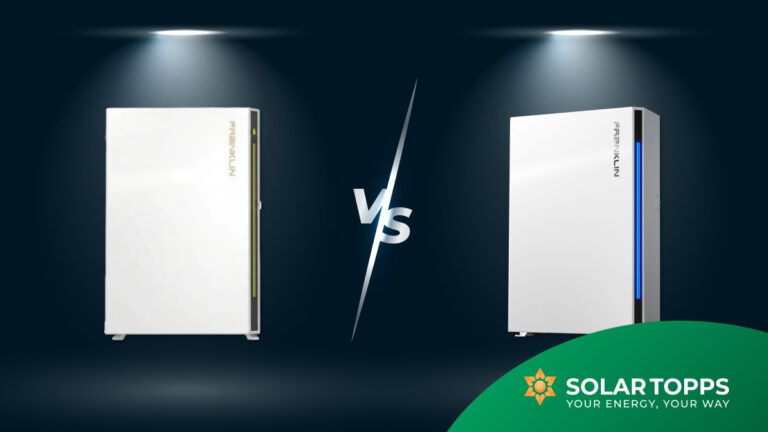
FranklinWH aPower S
The aPower S is designed for homeowners seeking a compact, scalable storage solution. It integrates seamlessly with solar systems and delivers reliable backup power with a high round-trip efficiency rating. Its modular design means capacity can be expanded as your energy needs grow.
FranklinWH aPower 2
The aPower 2 is FranklinWH’s flagship home storage battery, built for whole-home backup and maximum energy independence. With industry-leading capacity and intelligent energy management, the aPower 2 enables your home to function as a fully capable microgrid—storing solar energy during the day and supplying it on demand, around the clock.
Both battery systems use LFP (Lithium Iron Phosphate) chemistry, which is widely regarded as the safest and most durable battery chemistry available for residential use. FranklinWH batteries also feature advanced monitoring software, giving homeowners full visibility into their energy production, storage levels, and consumption—all from a smartphone app.
Operation and Maintenance of a Microgrid Energy System
A well-designed residential microgrid is largely self-managing. Automation handles the real-time decisions—when to charge the battery, when to draw from the grid, when to island—without requiring any action from the homeowner.
That said, routine maintenance is important to keep the system performing at its best:
- Software monitoring: FranklinWH’s management platform continuously tracks system performance and flags anomalies early, before they become costly problems.
- Battery health checks: Periodic inspections ensure battery cells are cycling efficiently and retaining capacity over time.
- Solar panel cleaning: Dust and debris accumulation—common in Arizona’s desert climate—can reduce solar output. Regular cleaning maintains peak generation.
- System inspections: Annual professional inspections help identify any wiring, connection, or component issues.
At Topps, our certified technicians handle installation and ongoing service, so your microgrid operates at peak performance year-round.
Environmental Sustainability and Microgrid Applications
Residential microgrids are a direct path to reducing your home’s carbon footprint. By maximizing the use of solar energy and minimizing reliance on fossil-fuel-generated grid power, a microgrid energy system can significantly cut greenhouse gas emissions at the household level.
FranklinWH batteries amplify this benefit by ensuring that solar energy is stored and used efficiently—rather than wasted or sold back to the grid at unfavorable rates. The result is a cleaner, more sustainable home energy profile without sacrificing comfort or reliability.
Beyond individual homes, widespread microgrid adoption strengthens community energy resilience, reduces strain on the utility grid during peak demand, and supports Arizona’s broader transition to renewable energy.
Is a Home Microgrid Energy System Right for You?
Choose a microgrid energy system if:
- You’ve experienced power outages and need reliable backup power
- You have or are considering solar panels and want to maximize self-consumption
- You want to reduce long-term electricity costs and hedge against rising utility rates
- Environmental sustainability is a priority for your household
A FranklinWH battery paired with a quality solar installation is the most straightforward path to a residential microgrid in Arizona—and Topps makes that process simple, from design through installation and beyond.
Power Your Home on Your Own Terms
The concept of energy independence isn’t new, but the technology to achieve it at the residential level has never been more accessible or more reliable. A microgrid energy system built around FranklinWH’s aPower S or aPower 2 home storage batteries gives Arizona homeowners exactly that—clean, stored solar power available on demand, with the grid as a backup rather than a lifeline.
Solar Topps is Arizona’s trusted solar partner, and we’re proud to offer FranklinWH home storage solutions as part of our premium lineup. Contact us today to schedule a free consultation and find out how a microgrid power system can work for your home.
Frequently Asked Questions About Microgrid Energy Systems
What is a microgrid energy system in simple terms?
A microgrid energy system is a small, localized power network that generates and stores electricity on-site—usually through solar panels and home batteries—and can operate independently from the main utility grid during outages.
How do FranklinWH batteries support a home microgrid?
FranklinWH aPower S and aPower 2 batteries store excess solar energy generated during the day, making it available at night or during grid outages. Their advanced management software automates energy flow, maximizing efficiency and self-sufficiency.
What is the difference between aPower S and aPower 2?
The aPower S is a compact, scalable battery ideal for partial home backup, while the aPower 2 offers higher capacity for whole-home backup and greater energy independence. Both use safe LFP battery chemistry.
Can a microgrid power system work without solar panels?
Solar panels are the most common generation source in residential microgrids, but a microgrid can also draw from the utility grid to charge batteries. However, combining solar with battery storage provides the greatest independence and cost savings.
How long do FranklinWH home storage batteries last?
FranklinWH batteries are engineered for long-term reliability, with warranties that cover capacity retention over thousands of charge cycles. LFP chemistry is known for its longevity compared to other lithium battery types.
What are the main benefits of microgrid energy storage for homeowners?
The primary benefits include protection from power outages, reduced electricity bills, maximized use of solar energy, lower carbon emissions, and greater control over household energy consumption.
Is a home microgrid difficult to maintain?
No. Modern residential microgrids are largely automated. FranklinWH’s monitoring software manages daily operations, while routine professional maintenance—typically once a year—keeps the system in optimal condition.


