




Solar Battery Backup Myths Debunked: Energy Storage in 2026
 Last updated: May 08, 2026
 4 min read


Updated: May 8, 2026
If you’re considering a solar power and battery backup system, you’ve likely encountered conflicting information. This article debunks the top myths preventing homeowners from achieving energy independence in 2026.
Request a Solar Energy Quote Today!
Myth #1: Solar Battery Backup Systems Are Too Expensive
A common myth is that solar battery systems are prohibitively expensive. While this was true a decade ago, costs have dropped significantly. According to the Solar Energy Industries Association (SEIA), battery storage costs have fallen by more than 70% since 2016. In 2026, a typical residential battery backup system costs between $8,000-$15,000 before incentives.
When evaluating cost, consider the long-term value. With rising electricity rates and more frequent power outages, a battery system provides substantial savings and peace of mind. Many homeowners see a return on investment within 5-7 years. Additionally, federal tax credits and state incentives can reduce the upfront cost by 30% or more.
Myth #2: Battery Backup Systems Don’t Provide Meaningful Power During Outages
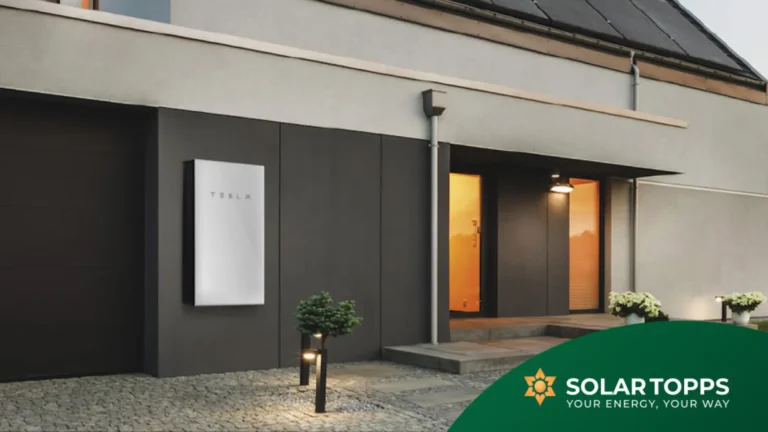
Another misconception is that battery systems can’t power your home for a meaningful duration. Modern home battery systems are highly capable. A Tesla Powerwall can provide 10-15 hours of backup for critical loads like refrigerators and lights. Larger systems can extend this to several days.
A 2026 study by the Lawrence Berkeley National Laboratory found that homes with battery backup experienced 85% less outage time compared to those without, with an average backup duration of 3.2 days per outage. Today’s systems also feature advanced load management, allowing you to prioritize which appliances receive power.
Myth #3: Solar Power and Batteries Are Complicated to Install and Maintain
The idea that solar battery systems are difficult to install and maintain is outdated. Most modern systems are modular, allowing certified technicians to complete installations quickly. Maintenance is minimal, typically requiring only annual inspections. Unlike generators, battery systems have no moving parts, making them virtually maintenance-free.
Every system we install includes online monitoring, allowing you to track performance 24/7. With remote diagnostics, most issues can be identified and resolved without a service visit.
Myth #4: Battery Systems Don’t Function Well in Extreme Weather
Many homeowners worry that extreme temperatures will affect battery performance. However, contemporary battery systems are engineered to operate efficiently in a wide range of conditions, typically between -40°C to 50°C (14°F to 122°F). Advanced thermal management systems maintain optimal performance, and manufacturers have improved weatherproofing to protect against hail, high winds, and flooding.
Myth #5: Solar Batteries Significantly Increase Home Fire Risk
Fire safety is a major concern, but modern lithium-ion battery systems include extensive safety features, making them as safe as any other electrical system. These features include thermal runaway protection, automatic disconnects, and UL certification to prevent unsafe conditions. According to the Journal of Energy Storage, “Home batteries have the same probability of catching fire as other appliances.”
Proper installation by certified professionals who adhere to electrical codes is crucial to ensuring safety.
Making the Right Decision for Your Home
With these myths debunked, you can approach your energy storage decision with confidence. When considering a battery backup system, focus on your specific needs:
- What critical loads do you need to power?
- How long do you need backup power?
- What is your budget, including available incentives?
Consulting with a qualified solar installer will help you determine the right system for your home. As technology improves and costs decline, the case for solar battery backup becomes even more compelling. Don’t let misconceptions prevent you from achieving energy independence in 2026 and beyond.
Frequently Asked Questions
How long do solar battery backup systems last?
Modern lithium-ion batteries typically last 10-15 years, retaining 70-80% of their capacity. Many manufacturers offer 10-year warranties.
Can I add a battery system to my existing solar panels?
Yes, in most cases. Many battery systems are designed to integrate with existing solar installations.
Do battery systems work during a power outage?
Yes. Battery backup systems are designed to automatically provide power to your designated circuits during an outage.


