




How to Go Solar for Beginners: Phoenix, Arizona Solar 101
 Last updated: Jun 17, 2026
 14 min read


Published: June 16, 2026
Quick answer: Going solar in Phoenix starts with reviewing your electric bill, choosing a trusted local installer, and designing a system sized to your home’s energy use. Arizona’s abundant sunshine—paired with the 30% federal tax credit—makes Phoenix one of the best places in the country to switch to solar.
Phoenix gets more sunshine than almost any major U.S. city, with roughly 6 sun hours per day on average. That single fact changes the math on solar power. A system built in Arizona produces nearly twice the energy of an identical system in a cloudier region like Seattle. For homeowners in the Valley, that means smaller systems, faster payback, and bigger long-term savings.
If you’ve never looked into solar before, the process can feel overwhelming. There are panels, inverters, batteries, tax credits, financing options, and a long list of unfamiliar terms. This guide breaks it all down in plain language, tailored specifically to Phoenix-Metro homeowners. By the end, you’ll understand what solar is, what to expect, and the exact steps to make the switch with confidence.
At Solar Topps, we’ve helped thousands of Arizonans go solar since 2009. We’re a Phoenix-based construction engineering firm that specializes in designing, installing, and servicing solar systems—not roofers or salespeople who pivoted into solar. Here’s everything a beginner needs to know.
What is solar power, and how does it work?

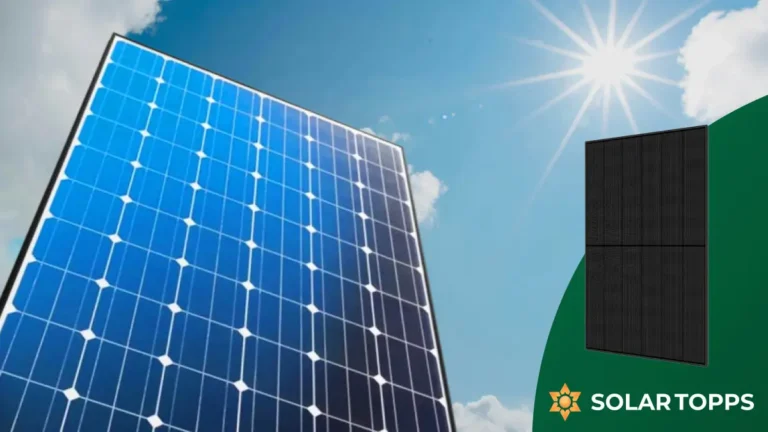
Solar power is electricity generated from sunlight. Through a process called the photovoltaic effect, solar panels convert the sun’s rays into usable electricity that powers your lights, appliances, air conditioning, and more.
The science is simpler than it sounds. Solar cells are made primarily from silicon. When sunlight hits the silicon, it knocks electrons loose and creates an electric current. Panels capture that current and send it to an inverter, which converts it into the type of electricity your home uses.
For Phoenix homeowners, the appeal is obvious. Your roof already sits under intense desert sun for most of the year. Solar simply puts that free energy to work, replacing power you’d otherwise buy from the utility.
What are the main parts of a home solar system?
A complete solar system has a few core components. Understanding each one helps you make smarter decisions when you compare quotes.
- Solar panels: Capture energy from the sun and convert it into direct current (DC) electricity.
- Inverter: Converts DC power into alternating current (AC), the format your home appliances use.
- Racking: The mounting hardware that secures panels to your roof or the ground.
- Batteries (optional): Store excess energy for use at night or during outages.
- Monitoring system: Lets you track production and spot issues in real time.
Most Phoenix homes use a grid-tied system, which connects to the utility grid. This setup doesn’t require batteries to function—the grid stores your excess energy for you. Adding a battery is optional, but it provides backup power during outages and helps you get more value from time-of-use rates.
Why does Phoenix make so much sense for solar?
Few cities in America are better suited for solar than Phoenix. Here’s why going solar in Arizona is such a strong move for beginners.
Arizona has some of the best sun in the country
Solar performs best in sunny climates, and Phoenix delivers. Most U.S. regions receive 3 to 6 sun hours per day. Arizona sits at the top of that range. More sun hours mean a smaller, less expensive system can cover your energy needs—a direct cost advantage over homeowners in cloudier states.
Phoenix homes have high cooling costs
Summers in the Valley are brutal, and air conditioning drives electric bills sky-high from May through September. Solar offsets that demand directly. When your AC works hardest, your panels produce their most—a natural match between supply and demand.
Strong incentives reduce your upfront cost
The federal solar tax credit lets you claim 30% of your total project cost as a credit against your federal taxes. Arizona also offers state-level incentives that can lower your cost further. These programs significantly shorten the time it takes for your system to pay for itself.
What are the pros and cons of going solar?
Solar is a major investment, so it pays to weigh both sides before committing.
The benefits:
- Lower electric bills: A properly sized system can dramatically reduce—or even eliminate—your monthly utility bill.
- Renewable energy: Sunlight is an infinite resource that never runs out.
- Higher home value: Studies show solar homes sell for more than comparable homes without solar, as long as the system is owned rather than leased.
- Predictable costs: Generating your own power protects you from rising utility rates.
The drawbacks:
- Upfront cost: Even with incentives, a full system requires a significant initial investment.
- Weather and shading: Trees, dust, or obstructions can reduce output. (Phoenix’s clear skies make this less of a concern than in most regions.)
- Space requirements: Panels need adequate roof or ground space.
- Battery cost: Adding storage increases the price, so batteries should be chosen out of need or for peace of mind.
For most Phoenix homeowners with access to power lines, the benefits clearly outweigh the drawbacks—especially given Arizona’s exceptional sun.
What is net metering, and how does it work in Arizona?
Net metering is the policy that determines how your utility credits you for the excess power your system sends back to the grid.
When your panels produce more than you use during the day, that surplus flows to the grid. Your utility credits your account, and you draw on those credits at night or during cloudy stretches. The exact rates depend on your specific utility provider.
In Arizona, major utilities like APS and SRP each have their own buyback policies and rate structures. These details have a real impact on your savings, so it’s worth understanding your utility’s terms before you commit. A trusted local installer like Solar Topps can walk you through exactly how your utility’s policy affects your return.
How do you size a solar system for your home?
Your system size depends on how much electricity you use, measured in kilowatt-hours (kWh). You’ll find this number on your monthly electric bill or in your online utility account.
Here’s the basic process:
- Review 12 months of energy usage. Phoenix homes use far more power in summer than winter, so a full year gives the most accurate picture.
- Account for your roof and shading. Roof size, angle, and direction all affect production.
- Factor in the local climate. Arizona’s high sun hours mean your system can be smaller than one in a cloudier state for the same output.
- Decide whether you want a battery. This affects both size and budget.
Sizing involves real technical detail, which is why working with a solar engineering firm matters. A precisely engineered system avoids the costly mistakes of an over- or under-sized installation.
What does going solar cost, and is it worth it?
Solar is best understood as a long-term investment. The upfront cost is real, but so are the savings.
Here’s how the math typically works:
- You pay for the system upfront or through financing.
- The 30% federal tax credit reduces your net cost significantly.
- Each month, you pocket the money you would have paid the utility.
- Over time, those savings repay your investment—a milestone known as the payback period.
Because Phoenix homes use so much electricity for cooling, and because Arizona’s sun maximizes production, payback periods here tend to be shorter than in many other states. After that point, the power your system generates is essentially free for the remaining life of the panels.
Most panels are warrantied for 25 years and continue producing well beyond that. Over the system’s lifetime, a well-designed installation can pay for itself several times over.
What are your financing options?
There are three common ways to pay for a solar system, and they’re not equal in long-term value.
- Cash or personal loan (best value): Owning your system outright—or through a loan—means you qualify for the 30% federal tax credit and keep all the savings. Loans typically offer the lowest interest rates.
- Solar lease: The installer owns the system and rents it to you for a monthly fee. You use the power, but the installer claims the tax credit.
- Power Purchase Agreement (PPA): Similar to a lease, but you pay a flat rate for the power the system produces.
Choose ownership if maximizing long-term savings matters most to you. Leases and PPAs require no upfront cost, but they deliver lower lifetime value because you forfeit the tax credit and incentives.
Should you install solar yourself or hire a professional?
While DIY solar exists, most homeowners are better served by professional installation—especially in a permitting environment like Arizona’s.
A professional installer handles system design, permitting, utility coordination, electrical hookup, and inspection. These steps require licensed expertise, and mistakes can be costly or unsafe. Professional installation also ensures your system qualifies for warranties and incentives.
At Solar Topps, we’re a highly accredited construction engineering firm that designs, installs, and services rooftop, ground mount, and shade structure systems for homes and businesses across Arizona. That end-to-end ownership means one accountable team from design to long-term service—no finger-pointing between contractors.
Do solar panels need maintenance?
Solar panels require very little upkeep. With no moving parts, there’s almost nothing to break.
In dry climates like Phoenix, the main task is clearing dust and debris from the panel surface. A light rinse a few times a year keeps your panels producing at their best. That’s about all there is to it.
How to go solar in Phoenix: your step-by-step path
Here’s the simple roadmap for beginners ready to make the switch:
- Gather your electric bills. Pull 12 months of usage to understand your needs.
- Research trusted local installers. Look for accredited Arizona companies with strong reviews and proven project management.
- Request a custom system design. A good installer assesses your roof, usage, and goals.
- Review your quote and financing. Compare ownership versus lease or PPA, and confirm how incentives apply.
- Schedule installation. Your installer handles permitting, equipment, and utility paperwork.
- Connect and start saving. Once your system passes inspection and goes live, you begin generating your own power.
Frequently asked questions
How much does it cost to go solar in Phoenix?
Costs vary based on system size, equipment, and whether you add a battery. The 30% federal tax credit reduces your net cost significantly, and Arizona’s strong sun shortens the payback period. The best way to get an accurate figure is a custom quote based on your actual energy usage.
How long does it take for solar to pay for itself in Arizona?
Payback periods in Phoenix tend to be shorter than the national average because of the region’s high sun hours and heavy summer cooling demand. Your exact payback depends on your system size, energy use, and financing method.
Do I need batteries for my solar system in Phoenix?
No. Most Phoenix homes use grid-tied systems that rely on the utility grid for storage, so batteries are optional. Adding a battery provides backup power during outages and helps you make the most of time-of-use rates, but it isn’t required for the system to work.
Will solar work during Phoenix summers and monsoon season?
Yes. Solar panels thrive in Phoenix’s intense sunlight, and the system continues producing even on partly cloudy monsoon days. Your highest production months line up with your highest cooling costs, which is one of the biggest advantages of going solar in Arizona.
Is it better to buy or lease solar panels?
Buying delivers the best long-term value because you qualify for the 30% federal tax credit and keep all the energy savings. Leasing or a PPA requires no upfront cost but offers lower lifetime value. Choose ownership if maximizing savings is your priority.
How do I choose a solar installer in Phoenix?
Look for a locally owned, accredited company with engineering expertise, strong customer reviews, and a track record of well-performing systems. A true solar specialist handles design, installation, and service in-house rather than subcontracting the work.
Ready to make the switch?
Going solar in Phoenix is one of the smartest energy decisions an Arizona homeowner can make. With abundant sun, strong incentives, and high cooling costs to offset, the path to lower bills and energy independence has never been clearer.
The best next step is a custom system design based on your home and your actual energy use. Solar Topps has helped thousands of Arizonans switch to solar since 2009, delivering premium products that are precisely engineered and installed for premium results—always at a lower price. Reach out for a free consultation and find out exactly what going solar could look like for your home.


