




How to Convince Your Phoenix Neighbor to Go Solar
 Last updated: Sep 25, 2026
 11 min read


Published: September 25, 2026
Quick answer: Convince a Phoenix neighbor to go solar by leading with their wallet, not the planet. Show them how solar power cuts APS and SRP bills, creates stable local jobs in the solar industry, and protects the long-term livability of Phoenix — which protects every job that depends on people being able to live and work here.
Most conversations about solar energy start in the wrong place. They open with carbon footprints, polar bears, or some abstract climate statistic that feels a world away from a Tuesday shift, a mortgage payment, and a triple-digit electric bill. For a lot of blue-collar workers in the Phoenix area, that pitch lands flat. It sounds like a lecture, not a solution.
Here’s a better approach: skip the environmental sermon and talk about money, jobs, and the future of the city everyone actually lives in. Solar energy isn’t a niche cause for people with spare cash and a Prius in the driveway. It’s a practical decision that lowers monthly costs, supports a growing local industry, and helps keep Phoenix a place where people can still work outdoors, run businesses, and raise families.
This guide breaks down exactly how to have that conversation with a neighbor, coworker, or family member who thinks solar is a waste of time — and why the argument is stronger than they think.
Why Should Blue-Collar Phoenix Workers Care About Solar Energy?
Skepticism about solar usually comes from one place: it sounds like a luxury for people who don’t have to worry about a paycheck. That framing misses the point entirely.
Solar energy in Phoenix isn’t about ideology. It’s about three things that matter to almost every working household:
- Lower monthly expenses through reduced utility bills
- Job security in an economy that depends on Phoenix staying a livable, workable city
- Long-term stability for a region where extreme heat already affects construction schedules, outdoor work hours, and cooling costs
When the conversation starts with “here’s what this saves you,” not “here’s why you should feel guilty,” it lands differently.
How Does Solar Power Lower Your APS and SRP Bills in Phoenix?
This is the single most persuasive argument for solar power in Phoenix, and it’s the one to lead with.
Phoenix residents served by Arizona Public Service (APS) or Salt River Project (SRP) know how brutal summer electric bills can get. Air conditioning runs nearly nonstop from May through September, and utility rates climb during peak demand hours. Solar panels generate power during the exact hours when the sun is strongest and utility rates are highest, offsetting the most expensive electricity a household would otherwise buy.
For a neighbor who works hard for every dollar, this is a concrete, provable benefit:
- Solar reduces dependence on peak-rate electricity from APS or SRP.
- A well-designed system can significantly cut — or in some cases eliminate — a monthly power bill.
- Pairing solar with battery backup protects against rate hikes and time-of-use pricing changes.
The pitch here isn’t “save the planet.” It’s “stop overpaying APS and SRP every August.”
How Is the Solar Industry in Phoenix Creating New Jobs?
Here’s the argument that tends to surprise skeptics the most: the solar industry in Phoenix isn’t just a source of savings for Phoenix homeowners — it’s a growing employer of the exact kind of skilled labor blue-collar workers already do.
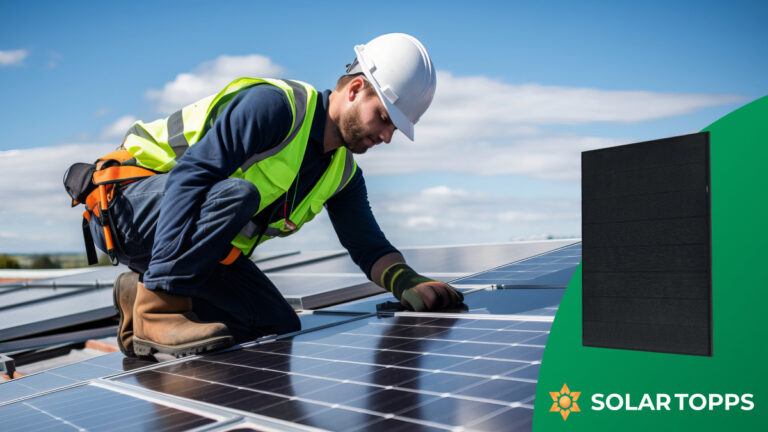
Solar companies in Phoenix need electricians, roofers, construction crews, project managers, and service technicians. This isn’t outsourced, offshore work. It’s local installation, local maintenance, and local engineering. Every rooftop system installed in the Valley represents real labor hours for real Arizona workers.
Framing solar as anti-blue-collar gets it backward. The solar industry in Phoenix is one of the more resilient parts of the construction and trades economy, because it depends on physical infrastructure that has to be built and serviced on-site, by people, not automated away.
How Does Helping the Environment Protect Phoenix’s Future — and Your Job?
This is where the environmental case connects directly to self-interest, instead of standing apart from it.
Phoenix’s summers have already gotten longer and more extreme over the past several decades, and extreme heat directly affects outdoor labor — construction, landscaping, utility work, delivery routes. When temperatures push past safe working thresholds, job sites shut down, hours get cut, and productivity drops. A hotter, less livable Phoenix isn’t an abstract environmental concern. It’s a direct threat to the hours on a paycheck.
That’s the real argument for helping the environment in Phoenix: it’s not about saving the planet for its own sake. It’s about keeping the region livable enough that businesses stay open, construction continues, and jobs remain available. If Phoenix becomes too hot and too expensive to power reliably, the local economy — and every job tied to it — feels the impact first.
Solar energy is one of the few tools individual households can use to reduce strain on the grid, cut emissions tied to fossil-fuel power generation, and support a more resilient local energy system.
Stop Complaining About Gas Prices—Go Solar Instead
Rising gas prices don’t have to dictate your energy costs. With solar, you can break free from unpredictable fuel-driven rate hikes and lock in stable, lower energy expenses for years to come. Solar energy harnesses the sun’s power, giving you energy independence while shielding you from the volatility of traditional energy markets. By switching to solar, you’re not just avoiding gas price frustrations—you’re investing in long-term savings and peace of mind.
Why Solar Energy Is the Future for Phoenix Communities
Solar energy is the future for Phoenix for a simple reason: the region has one of the highest solar potentials in the country, and the cost of solar technology has dropped dramatically over the past decade while utility rates have continued climbing. That trend isn’t reversing.
For neighbors on the fence, the future-facing argument comes down to this:
- Energy independence. Homes with solar and battery storage are less exposed to utility rate increases.
- Property value. Solar installations are increasingly viewed as a value-add for Phoenix-area homes.
- Grid resilience. More distributed solar generation reduces strain on the regional power grid during peak summer demand.
None of this requires a neighbor to care about climate change in the abstract. It only requires them to care about their bills, their job, and their neighborhood’s ability to function through another Phoenix summer.
How to Talk to Your Neighbor About Going Solar
A few practical guidelines make this conversation land better:
- Lead with their bill, not the planet. Ask what they’re currently paying APS or SRP in July or August.
- Bring numbers, not slogans. A rough estimate of potential savings is more persuasive than a general statement about clean energy.
- Connect it to jobs they know. Point out that solar installation crews are electricians and construction workers, not tech-industry outsiders.
- Acknowledge the upfront cost honestly. Don’t oversell it — explain financing options and let the numbers make the case.
- Let a local company do the technical talking. A reputable, Phoenix-based solar installer can walk through system design, financing, and expected savings with real data specific to that home.
Making Solar the Obvious Choice, Not the Idealistic One
Solar energy in Phoenix succeeds as an argument the moment it stops sounding like activism and starts sounding like financial common sense. Lower APS and SRP bills, steady local jobs in the solar industry, and a more livable city are not competing priorities — they’re the same argument, told three different ways.
The next time a neighbor waves off solar power as a waste of time, skip the climate statistics. Talk about their electric bill. Talk about the electrician down the street who just got hired onto a solar install crew. Talk about what another decade of Phoenix summers looks like if nothing changes. That’s a conversation blue-collar Phoenix can get behind.
Frequently Asked Questions about Going Solar in Phoenix
Is solar power actually worth it for blue-collar homeowners in Phoenix?
Yes. Solar power reduces exposure to peak-rate electricity from APS and SRP, and Phoenix’s high solar output means panels generate significant energy year-round. The upfront cost is offset over time through lower monthly bills and available financing options.
How much can solar lower my APS or SRP bill?
Savings vary by household energy use, system size, and utility rate plan, but solar primarily reduces the peak-rate electricity purchased during high-demand summer hours — typically the most expensive portion of a Phoenix electric bill.
Does the solar industry actually create jobs in Phoenix?
Yes. Solar installation requires licensed electricians, construction crews, and service technicians for design, installation, and ongoing maintenance — all local labor, not offshored work.
Isn’t going solar just an environmental issue?
Not primarily. While solar does reduce emissions, its most immediate impact for Phoenix households is financial: lower utility bills and protection against rising energy rates.
What’s the biggest risk of not switching to solar in Phoenix?
Continued exposure to rising APS and SRP rates, and a hotter, less livable Phoenix over time — which affects everything from outdoor work hours to long-term property values.


