




What is a Battery Energy Storage System (BESS)?
 Last updated: Oct 07, 2026
 7 min read


Updated: Oct 07, 2026
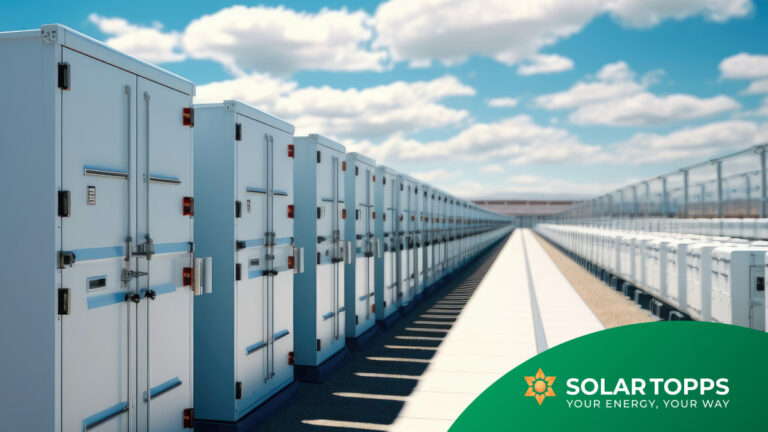
Arizona is rapidly becoming a leader in battery energy storage, harnessing its abundant sunshine to power homes and businesses even after the sun sets. The state has already installed nearly 3,900 megawatts (MW) of battery storage and plans to add another 3,807 MW by the end of 2026.
This boom is driven by the need to create a more reliable and flexible power grid. However, it also raises questions about cost, safety, and regulation. This article explores Arizona’s battery surge, the challenges it faces, and why pairing solar with storage is the smartest path forward.
Ready to add battery storage to your home? Request a quote from Solar Topps today!
Arizona’s Battery Capacity is Soaring
In 2024, solar power accounted for over 81% of new energy generation in the U.S., and Arizona was at the forefront of this trend. The state approved over 4,700 MW of new generation, with a staggering 82% coming from utility-scale solar paired with battery storage. This growth has launched Arizona into the top three states for battery capacity.
Two of Arizona’s largest utilities are leading the charge:
- Arizona Public Service (APS): Plans to add nearly 2,500 MW of solar and storage by the end of 2026.
- Tucson Electric Power (TEP): Is adding nearly 400 MW of solar and battery capacity.
This expansion mirrors a national trend. In Q2 2025, the U.S. saw a 63% year-over-year increase in utility-scale battery deployments, with California, Texas, and Arizona accounting for 75% of that new capacity.
What’s Driving Arizona’s Battery Boom?
Arizona’s rapid adoption of battery storage technology is fueled by a combination of favorable policies, increasing renewable energy deployment, and a growing need for grid reliability.
Meeting High-Tech Energy Demands
Arizona’s booming data center and high-tech manufacturing sectors require massive amounts of electricity. Solar-plus-storage systems allow utilities to meet this demand with clean energy instead of relying on new fossil-fuel plants.
Falling Costs and Federal Incentives
The cost of solar and battery technology continues to drop. Federal incentives, like the Investment Tax Credit provided by the Inflation Reduction Act, make these projects more financially attractive for utilities and developers.
Improved Battery Technology
Modern batteries are more efficient than ever. They can store cheap solar power generated during the day and discharge it during evening peak hours, reducing the need for expensive natural-gas “peaker” plants.
Addressing Safety and Regulation
Are Battery Storage Systems Safe?
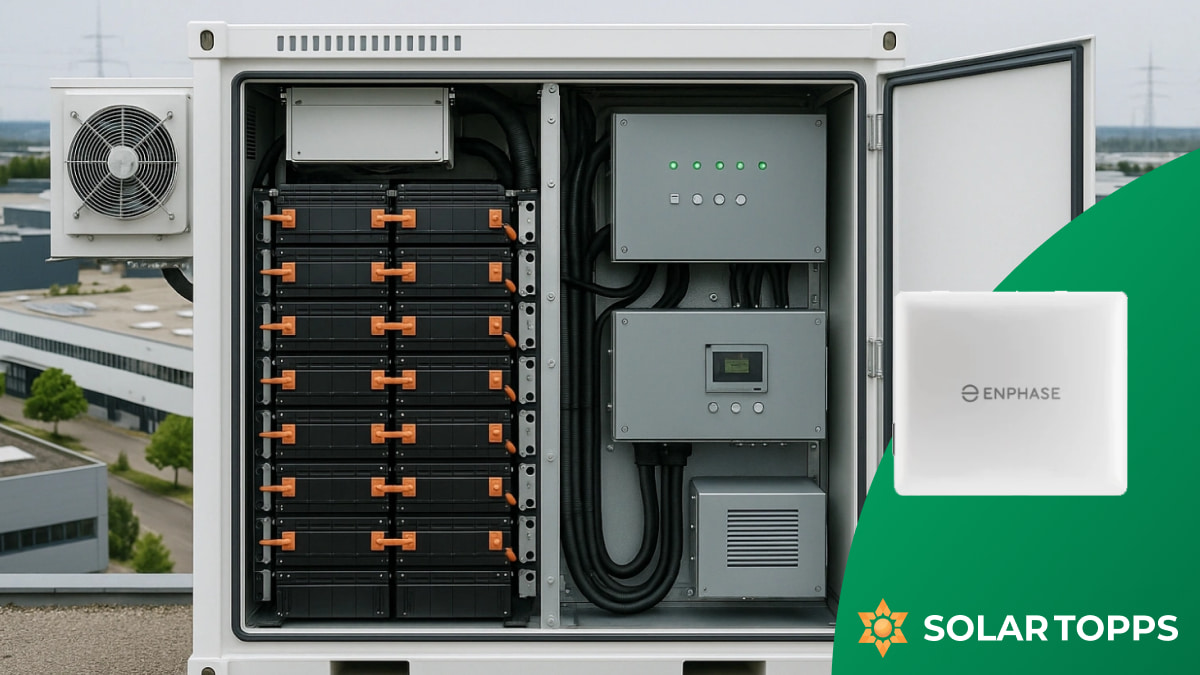
As battery storage becomes more common, some communities have raised safety concerns, particularly regarding the risk of fire. Lithium-ion batteries can experience “thermal runaway,” an uncontrolled heating process.
However, experts stress that modern battery systems are significantly safer than older versions. New fire codes mandate improved safety features, such as modular designs and required spacing between units, to prevent fires from spreading. Public outreach is also crucial to address misconceptions and highlight the thousands of battery systems operating safely every day.
Modernizing Arizona’s Regulations
Arizona’s regulatory framework has not kept up with its rapid energy transition. State laws governing power plant regulation haven’t been significantly updated since 1971, giving the Arizona Corporation Commission (ACC) limited authority over solar and battery projects. This has led to a patchwork of local rules, sometimes slowing down development. For Arizona to maximize the benefits of battery storage, policymakers must modernize state laws to create clear, consistent standards for all energy generation sources.
Why Solar-Plus-Storage is Arizona’s Future
Pairing solar with battery storage is the most effective way to power Arizona’s future.
Grid Reliability and Stability for Phoenix Residents
Batteries store excess solar energy produced during the day and release it during the evening, reducing strain on the grid and minimizing the risk of blackouts during periods of high demand.
Long-Term Price Stability
Sunshine is a free resource. By relying on solar-plus-storage, utilities can avoid using expensive and price-volatile natural gas, which helps stabilize energy costs for consumers.
Meeting Sustainability Goals
Battery storage helps Arizona achieve its environmental goals. Batteries produce zero emissions and use almost no water—a critical benefit in a drought-prone state. They enable greater use of renewable energy, reducing dependence on fossil fuels.
Build a Resilient Future with Solar Topps
Arizona’s commitment to solar and battery storage marks a turning point for the state’s energy landscape. While regulatory and safety challenges remain, they are being actively addressed through technological innovation and policy reform.
For Arizona homeowners and businesses, the message is clear: investing in solar and battery storage enhances energy resilience, hedges against rising costs, and contributes to a cleaner grid.
The experts at Solar Topps can help you design a custom solar-plus-storage solution. Contact us today to ensure your energy future shines bright.


