




Top 7 Winter Tips for Your Arizona Solar Energy System
 Last updated: Feb 19, 2026


Published: December 10, 2025
Winter in Arizona brings cooler temperatures and shorter days, which can impact the performance of your solar energy system. While the state is famous for its abundant sunshine, the seasonal change means less available daylight for your solar panels to convert into electricity. For homeowners and businesses, this raises an important question: how can you ensure your system continues to operate at peak efficiency during the winter months? This can affect your APS and SRP bills.
This guide provides seven essential tips to help you maintain your solar panels in Arizona’s winter. From understanding the sun’s lower position in the sky to leveraging battery storage, these strategies will help you maximize your energy production. Following this advice ensures your investment continues to deliver clean, reliable power, even when the days are shorter. Whether you’re in the mild climate of Phoenix or the cooler Arizona mountains, these steps will keep your system performing optimally.
Get Your Residential Quote Today
Get Your Commercial Quote Today
1. Understand the Sun’s Path in Arizona Winter
During the winter, the sun follows a lower arc across the sky. This change in its path, known as the solar azimuth and altitude, directly affects how much sunlight your panels receive. The sun rises later and sets earlier, reducing the total number of daylight hours available for energy production. This is a natural, seasonal variation that all solar owners experience.
For those living in areas like Phoenix, the effect is noticeable but generally manageable. However, for residents in the Arizona mountains, where the sun’s angle is even lower and days are shorter, the impact on energy generation can be more significant. Understanding this seasonal shift is the first step in preparing your system to perform its best throughout the winter.
2. Optimize Your Solar Panel Angle with Solar Topps’ Experts
To counteract the sun’s lower position, adjusting the angle of your solar panels can make a substantial difference. The ideal azimuth angle for winter allows your panels to face the sun more directly, capturing as much energy as possible. A steeper tilt helps compensate for the sun’s low trajectory, ensuring that the sunlight hits the panels at a more perpendicular angle, which is optimal for absorption.
While many rooftop systems are installed at a fixed angle, some ground-mounted systems or those with adjustable racking can be modified. If your system allows for it, tilting your panels to a steeper angle during the winter can increase their daily energy output. For those with fixed systems, this highlights the importance of working with a qualified installer who designs your system for year-round performance from the start.
3. Reduce Winter Shade on Your Solar Panels
Shade is a primary obstacle to solar energy production at any time of year, but it becomes particularly problematic in winter. The sun’s lower angle causes objects to cast longer shadows. Trees, neighboring buildings, or even parts of your own roof that didn’t cause issues during the summer can create significant winter shade on solar panels.
Take time to inspect your property for new sources of shade. This may involve trimming tree branches that have grown over the year or identifying other obstructions. Even a small amount of shade on a single panel can reduce the output of the entire string of panels, so keeping them clear is crucial for maintaining system efficiency. A clear, unobstructed view of the southern sky is the goal for optimal winter performance.
4. Keep Your Solar Panels Clean and Unshaded
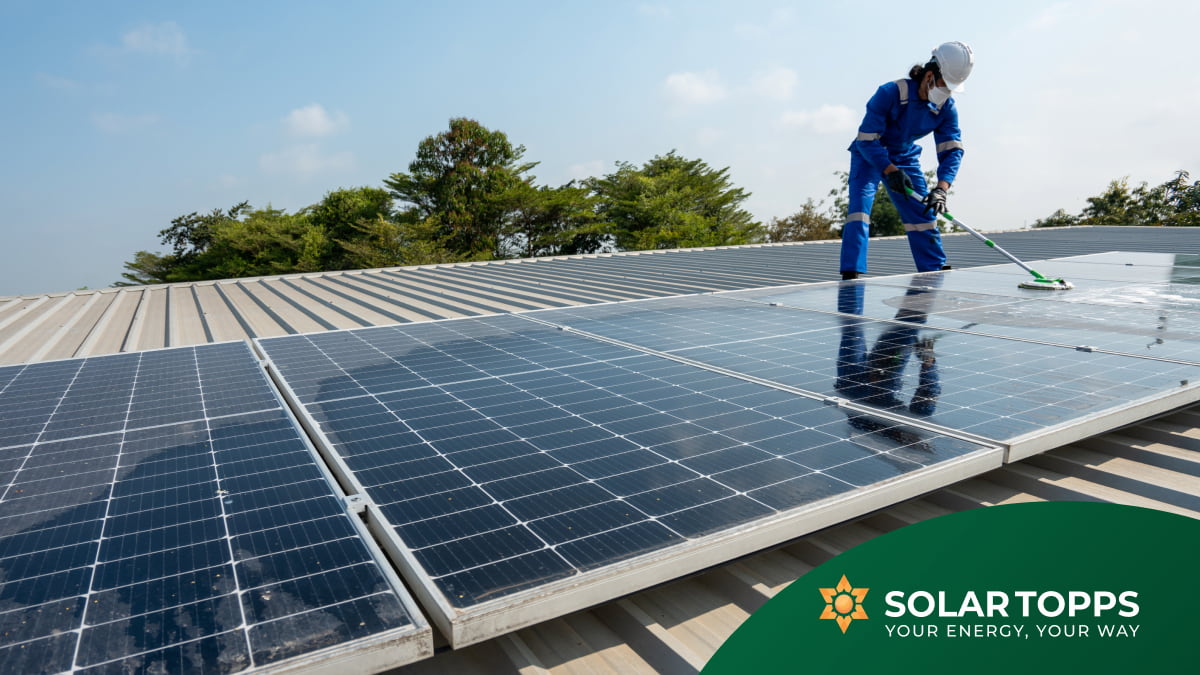
Arizona’s winters are generally dry, but dust, leaves, and other debris can still accumulate on your solar panels. A layer of grime can act as a film, blocking sunlight and reducing the efficiency of the photovoltaic cells. While rain can help wash panels clean, a lack of precipitation means manual cleaning may be necessary.
For most homeowners, a simple rinse with a garden hose is sufficient to remove dust. For more stubborn dirt, a soft brush or squeegee with soapy water can be used. It is important to perform any cleaning safely, especially for roof-mounted panels. If you are unable to reach them safely, consider hiring a professional cleaning service. Regular cleaning ensures your panels are always ready to capture every available ray of sunlight.
5. Monitor Your System’s Performance with Energy Monitoring
Consistently monitoring your solar energy system is key to ensuring it operates as expected. Most modern solar installations come with a monitoring app or web portal that provides real-time and historical data on your energy production. During the winter, you should expect to see a natural dip in production due to the shorter days.
By tracking your system’s output, you can establish a baseline for winter performance. If you notice a sudden or significant drop that can’t be explained by cloudy weather, it could indicate an issue like excessive shading, dirt, or a technical problem. This data allows you to act quickly and contact your solar provider if something seems wrong, preventing prolonged periods of underperformance.
6. Invest in a Battery Storage System in Arizona
One of the most effective ways to manage the reduced daylight hours of winter is to add a battery storage system to your solar setup. Batteries allow you to store excess energy generated during the sunniest parts of the day for use at night or on overcast days. This creates a reliable, on-demand power supply that makes your home less dependent on the grid.
Two leading options for Arizona homeowners are the Tesla Powerwall 3 and the Enphase IQ Battery 5P.
- Tesla Powerwall 3 in Arizona: The Powerwall 3 is an all-in-one solution that integrates a powerful battery and a solar inverter. It offers substantial storage capacity, allowing you to power your home through the evening and providing essential backup during grid outages.
- Enphase IQ10C in Arizona: The Enphase IQ Battery 5P is known for its modular design, allowing you to start with a smaller capacity and expand it as your needs grow. It integrates seamlessly with Enphase microinverters, providing reliable power and advanced system monitoring.
By storing solar energy, you can offset the shorter winter days and ensure your home has a consistent power supply, maximizing the value of your solar investment.
7. Plan for the Unexpected in the Winter
Although heavy snow is rare in many parts of Arizona, it can occur, especially at higher elevations in the Arizona mountains. If snow does accumulate on your panels, it will block sunlight and halt energy production. Fortunately, the dark surface of solar panels often helps snow melt and slide off on its own, especially if the panels are tilted.
However, after heavy snowfall, it may be necessary to manually clear the panels. Only do so if you can reach them safely from the ground using a long-handled, soft-headed tool like a roof rake. Never use hot water, as the sudden temperature change can damage the panels. Preparing for this possibility ensures you can restore your system’s production quickly and safely.
Maximize Your Solar Investment This Winter with Solar Topps
By taking these proactive steps, you can ensure your solar panels in Arizona continue to perform efficiently throughout the winter. Understanding the seasonal changes, keeping your panels clean and clear of shade, and monitoring their output will help you get the most out of your system. For ultimate energy independence, investing in a battery storage solution like the Tesla Powerwall 3 or Enphase IQ Battery 5P provides peace of mind and reliable power year-round.
If you are ready to optimize your home’s energy system or have questions about going solar, our team is here to help. Contact Solar Topps today to get a personalized residential quote and discover the smartest way to power your home.


